
Ron van Schaik

THE CAPTAIN'S LOG

March Flies in the Whitsundays

Created on:
14/11/2026
Updated on:
14/11/2026
Read time:
3 minutes

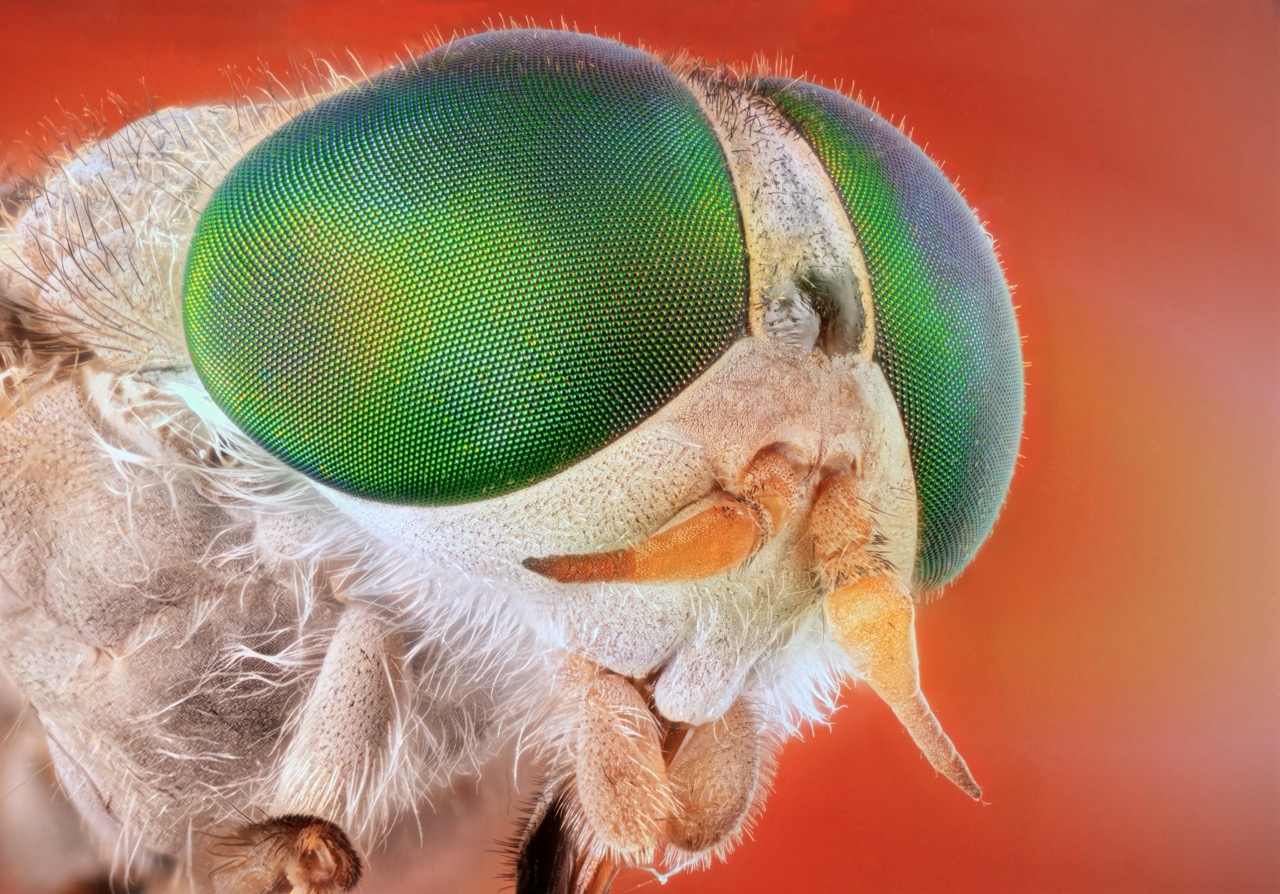
The Whitsundays are famous for turquoise water, island sunsets and sailing days that make you forget what day it is. Then comes the march fly—keen to join the crew, though not always invited.

March flies, also known as horse flies, are found in Queensland and their bites can be painful and itchy. Only the females bite; the males are busy sipping nectar, which sounds like a much better way to spend a holiday.

A little preparation can make time on deck and ashore more comfortable. Pack light-coloured clothing, insect repellent and any bite-care products you normally use. If the flies are particularly persistent, covering exposed skin and moving away from the area may help.

Luckily, there’s plenty to distract you: a swim in clear island waters, a quiet anchorage or a sunset that turns the sea gold. The march flies may make the occasional appearance, but they’re only a small part of the story. The Whitsundays have a way of keeping the best moments in the logbook.

On board: prevention, bite care and allergic reactions

March fly bites may cause pain, itching and swelling. Rarely, a bite can trigger a serious allergic reaction. Please let the skipper know if you have a known insect allergy or carry an adrenaline autoinjector, and keep your medication and action plan with you.

Reduce the chance of being bitten

  • Choose light-coloured clothing. Wear white, beige or other pale colours where practical, rather than dark clothing.
  • Cover exposed skin. Loose, long-sleeved tops, long trousers and socks can help, especially when ashore.
  • Use insect repellent. Apply an Australian-registered repellent containing DEET or picaridin to exposed skin, following the label. Reapply as directed, including after swimming or heavy sweating.
  • Keep screened areas closed. Use insect screens where fitted. A fan or airflow in sheltered cockpit areas may help.
  • Be prepared near shore. If flies are concentrated around a beach or anchorage, cover up or move away if it’s practical to do so.

If someone is bitten

  • Move away from the flies, wash the bite with soap and water, and apply a cold pack wrapped in cloth.
  • Try not to scratch. For ongoing itching, a non-drowsy antihistamine may help. Follow the packet instructions and check with a pharmacist if you’re unsure whether it’s suitable.
  • Seek medical advice if symptoms worsen, the area becomes hot, increasingly red or painful, pus develops, or a fever occurs.

Watch for a serious allergic reaction

Call 000 immediately if someone has difficulty breathing, wheezing, swelling of the tongue or throat, a hoarse voice, persistent dizziness or collapse. These can be signs of anaphylaxis.

  • Give their adrenaline autoinjector if available, following their ASCIA Action Plan.
  • Call 000 and follow the person’s action plan. If you’re offshore, use the vessel’s marine emergency communications as well.
  • Keep the person lying flat and do not let them stand or walk. If breathing is difficult, they may sit with their legs outstretched. If unconscious or pregnant, place them on their side.
  • Antihistamines are not a substitute for adrenaline and must not delay emergency treatment.

This information is a general reminder for guests and crew, not a substitute for medical advice or an individual action plan. Please bring your own prescribed medication and tell the skipper about any relevant allergy or medical concern before departure.

More from the Captain’s Log

Keep exploring the Whitsundays, sailing, seamanship and life on the water.
Weather & Tides in the Whitsundays

Seven Common Senses for Safe Sailing

A Whitehaven Beach Sailing Adventure: Explore, Learn, and Discover

All Captain's Log Articles

Courses you may like

Take your sailing further with Mainstay Sailing.

LROCP - Online Marine Radio Course

RYA Essential Navigation and Seamanship

SEA SAFETY AND SURVIVAL

All Courses

Videos

Check out our Youtube videos!