
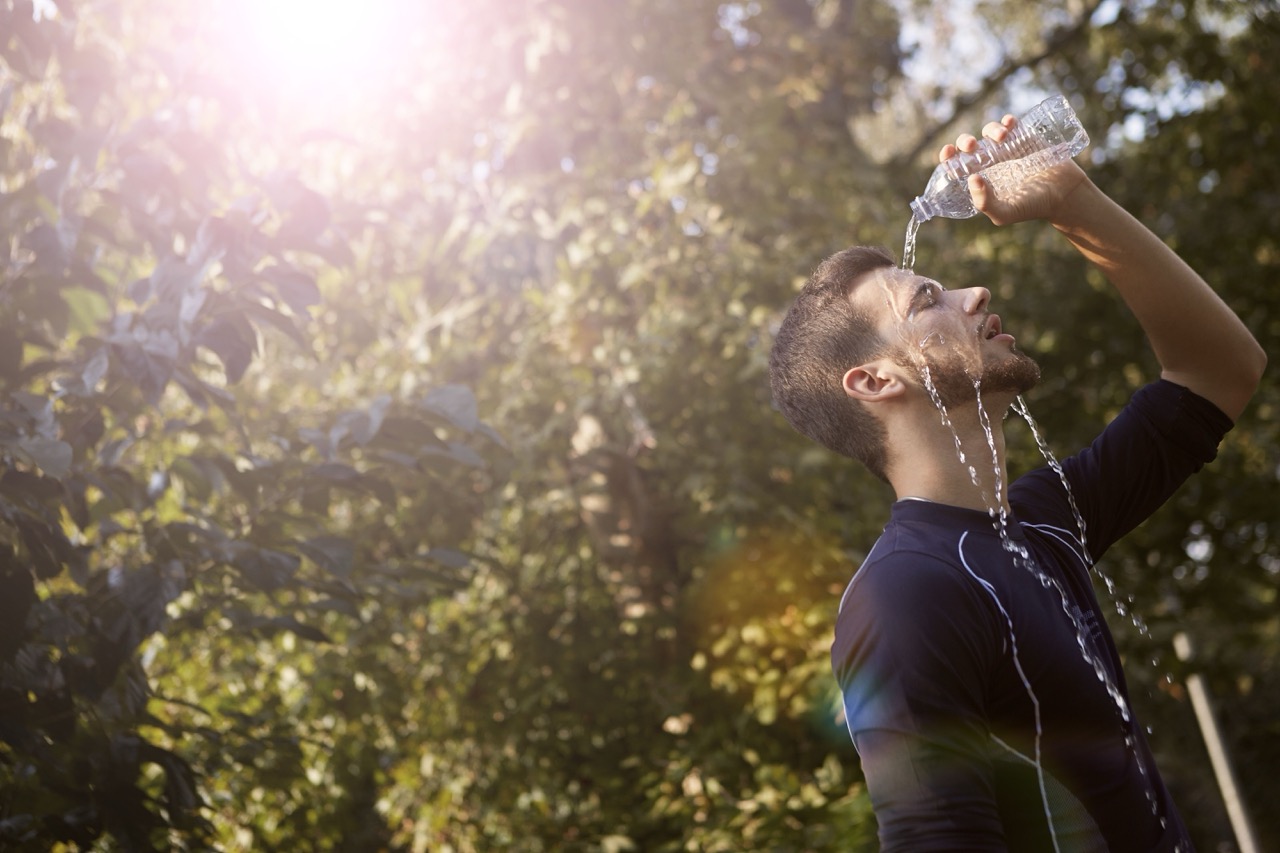


The Whitsundays are made for time outdoors: sailing between islands, swimming in clear water and exploring the coastline. But a day in the sun can take a toll, especially during the hotter, more humid months. Knowing the signs of heat exhaustion—and what to do if they appear—can help you and your crew stay safer.
Heat exhaustion happens when the body struggles to cool itself, often after spending time in hot conditions or being physically active in the heat. It can affect anyone, including people who are fit and used to warm weather. On a sailing trip, sun exposure, activity and limited shade can all add to the strain.
Symptoms can include:
Heat exhaustion can worsen. Confusion, poor coordination, slurred speech, collapse or loss of consciousness may be signs of heatstroke, which is a life-threatening emergency. Call 000 and ask for an ambulance. Healthdirect: hot weather risks and staying cool
If they become confused, collapse or lose consciousness, treat it as an emergency: call 000 and start cooling while help is on the way. Don’t give drinks to someone who is confused or unconscious. Healthdirect: hot weather risks and staying cool
A few simple habits can make a difference:
The Whitsundays are warm year-round, with hotter, more humid conditions generally from October to January. Queensland Parks: visiting the Whitsunday Islands safely
A great day on the water includes taking care of yourself and the people around you. Drink regularly, find shade when you need it and speak up early if you feel unwell. If symptoms are severe or getting worse, seek urgent help.
This article provides general information only and isn’t a substitute for medical advice. In an emergency in Australia, call Triple Zero (000).
Keep exploring the Whitsundays, sailing, seamanship and life on the water.

Take your sailing further with Mainstay Sailing.


Check out our Youtube videos!

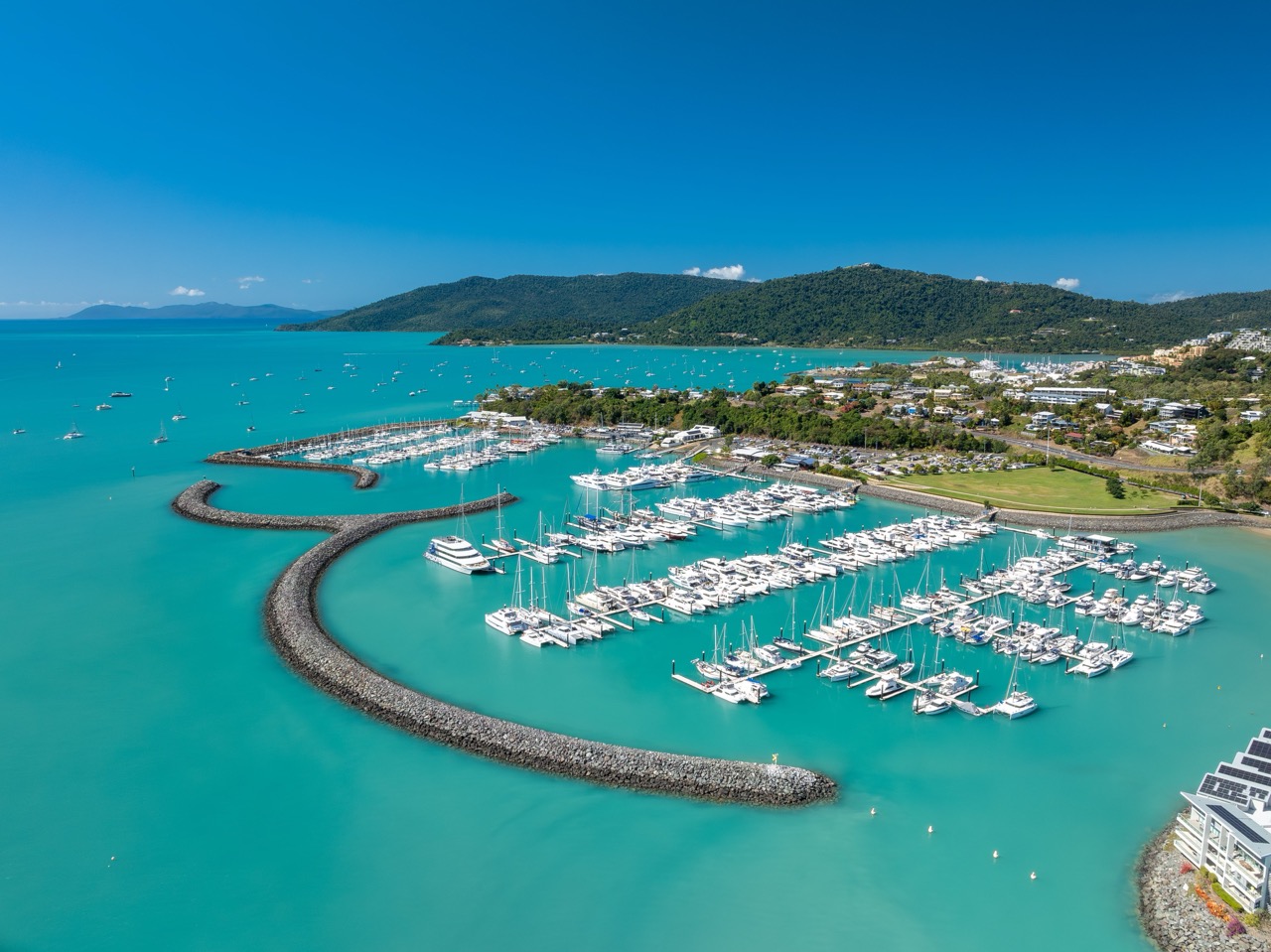
Coral Sea Marina
Shingley Drive
Airlie Beach
QLD 4802
AUSTRALIA
Postal address
PO Box 890
Cannonvale
QLD 4802
AUSTRALIA
Lat: 20° 16′ South
Long: 148° 43′ East
Phone: +61402429152

