
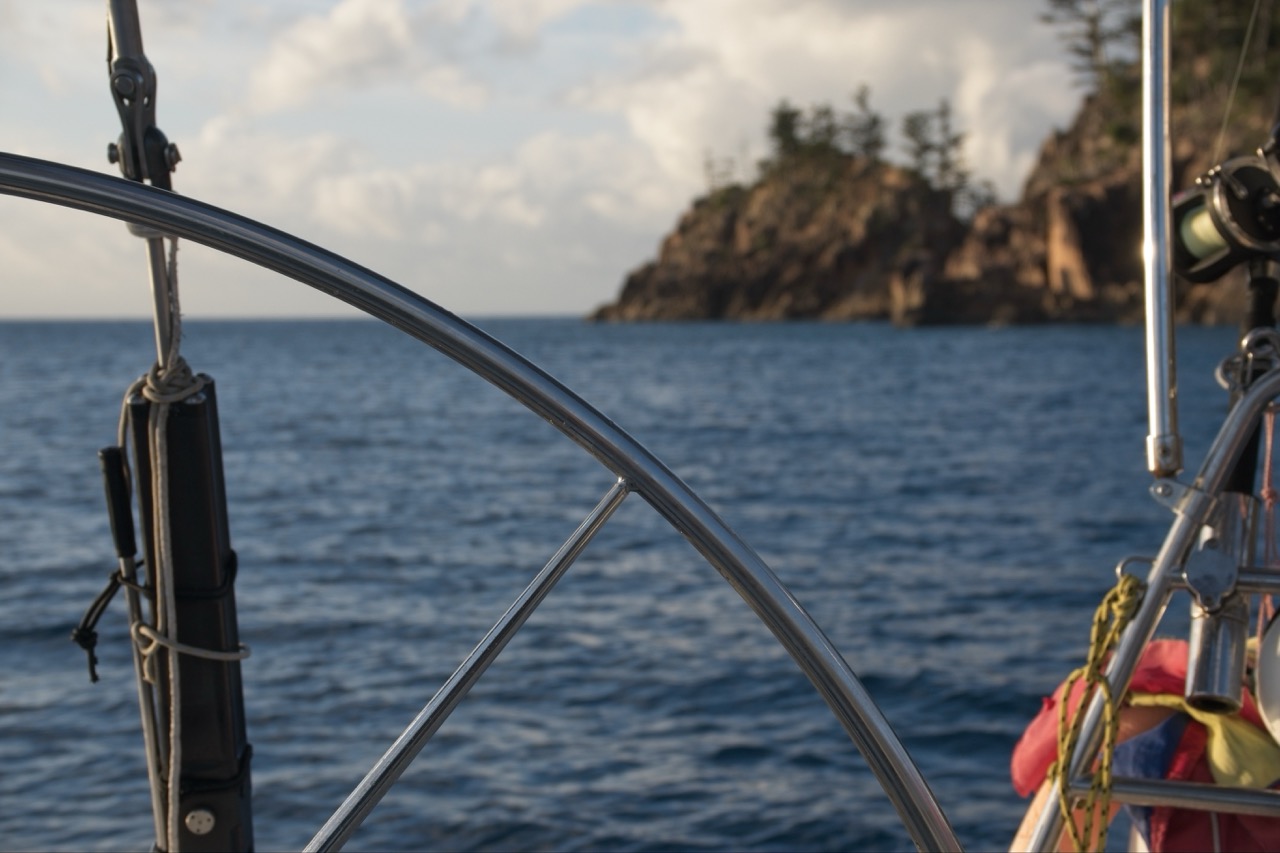



Thinking about taking a yacht out without a skipper? A bareboat charter could be the next step in your sailing journey.
There is something special about stepping aboard a yacht, receiving the keys, checking the weather and knowing that from that moment on, you and your crew are responsible for the adventure.
That is the essence of a bareboat charter.
Unlike a skippered charter, there is no professional skipper on board. You take responsibility for the yacht, navigation, passage planning, anchoring, weather decisions and the safety of everyone on board.
For experienced sailors, a bareboat charter offers an incredible sense of freedom. For newer sailors, however, it is important to understand what is involved before making the leap.
A bareboat charter is essentially the rental of a yacht without a professional skipper or crew.
The charter company provides the yacht, safety equipment and usually a detailed handover covering the boat and local operating area. You provide the skipper and crew.
The skipper is then responsible for making decisions about where to sail, when to leave, where to anchor and whether the conditions are suitable.
You are not simply hiring a boat for the day. You are taking responsibility for a vessel.
That distinction is important.
With a skippered charter, a professional skipper takes responsibility for operating the yacht. You can relax and enjoy the sailing while the skipper handles navigation, boat handling and safety.
With a bareboat charter, you are the skipper.
That means you need to be comfortable with:
It is a much more hands-on experience — and for many sailors, that is exactly what makes it so rewarding.
This depends on where you are chartering and the requirements of the individual charter company.
Many charter operators require evidence that the person taking responsibility for the yacht has appropriate sailing experience and qualifications. Some destinations have specific licensing or certification requirements.
For sailors planning to charter internationally, it is particularly important to check the requirements well before booking.
The International Certificate of Competence (ICC) is commonly requested by charter companies in many European sailing destinations.
However, having a certificate is only part of the equation.
A qualification demonstrates that you have reached a particular level of competence. Experience and confidence are equally important.
There is no single number of sailing days that makes someone ready for a bareboat charter.
A sailor who has completed a qualification but has very little practical experience may be less prepared than someone who has spent years sailing with an experienced skipper.
Before taking a yacht out yourself, you should be comfortable with the basic responsibilities of being skipper.
You should be able to look at a weather forecast and make a sensible decision about whether to sail.
You should be able to navigate safely to your destination.
You should be comfortable bringing the yacht alongside, picking up a mooring and anchoring.
And perhaps most importantly, you need to be comfortable saying:
“The conditions aren’t right today, so we’re staying put.”
Good skippering is not about proving what you can handle. It is about making good decisions.
One of the most important parts of a bareboat charter is the yacht handover.
The charter company will normally take you through the yacht’s systems and equipment before departure. This can include:
This is your opportunity to ask questions.
Even if you have sailed similar yachts before, boats can vary considerably. Take the time to understand how everything works on the particular yacht you are about to command.
As the skipper, you are responsible for the yacht and your crew.
That does not mean you need to know how to repair every system on board. It does mean you need to recognise when something is wrong and know what action to take.
You are responsible for decisions such as:
Should we leave the marina?
Is the weather suitable?
Where should we anchor tonight?
Do we need to reef?
Is this anchorage safe in the forecast conditions?
Should we change our itinerary?
These decisions are what separate simply being able to sail from being able to skipper.
Your first bareboat charter is probably not the time to choose the biggest yacht in the fleet.
Choose a yacht that matches your experience.
A smaller, well-handled yacht can be far more enjoyable than a larger yacht that stretches your skills.
Think about:
Remember that a yacht that looks impressive in the marina can feel very different when you are trying to manoeuvre it in a tight anchorage with wind blowing across the deck.
The Whitsundays offer an exceptional environment for developing your skippering skills.
There are numerous islands, anchorages and sheltered waters, along with opportunities to experience different conditions without committing to long offshore passages.
But the Whitsundays can still be challenging.
Strong winds, changing weather, tides, currents and unfamiliar anchorages all require good decision-making.
That makes the region a fantastic place to build practical experience before taking on a bareboat charter somewhere unfamiliar.
For many sailors, the journey starts by joining someone else’s yacht.
You learn how to hoist sails, tack, gybe, trim sails and work as part of a crew.
The next step is developing the knowledge and confidence to make decisions yourself.
This is where structured training can make a significant difference.
At Mainstay Sailing, the RYA pathway can take sailors from learning the fundamentals through to developing the skills required to take responsibility for a yacht.
RYA Competent Crew is a great starting point for people who want to understand sailing and become useful members of a crew.
RYA Day Skipper develops the practical skills and knowledge required to skipper a yacht on day and coastal passages in suitable conditions.
For sailors wanting to take their experience further, RYA Coastal Skipper develops more advanced passage-planning, navigation and skippering skills.
The important thing is not simply collecting certificates.
It is building experience, judgement and confidence.
Once you become comfortable skippering locally, the temptation is to start looking further afield.
The Mediterranean is a popular destination for bareboat sailing, with Greece, Croatia and other European destinations offering thousands of islands, beautiful anchorages and established charter fleets.
But sailing overseas introduces another layer of responsibility.
You need to understand the local weather patterns, navigation requirements, regulations, mooring systems and charter-company requirements.
And don’t underestimate the value of arriving with plenty of practical experience.
A qualification may allow you to charter a yacht, but experience will help you enjoy it.
Perhaps the biggest difference between an inexperienced skipper and a good skipper is not how confidently they handle a yacht.
It is knowing when not to sail.
The best skippers constantly assess the conditions, the yacht, the crew and the plan.
Sometimes the right decision is to change the itinerary.
Sometimes it is to find a more sheltered anchorage.
And sometimes it is simply to stay in port and enjoy another coffee.
There is no prize for sailing into conditions that make everyone uncomfortable.
A successful bareboat charter is not about following the original itinerary at all costs.
It is about getting everyone back safely while having a fantastic experience along the way.
If you enjoy sailing, want greater independence and are ready to take responsibility for a yacht and crew, a bareboat charter can be one of the most rewarding experiences in sailing.
But don’t rush it.
Build your skills. Sail with experienced skippers. Complete appropriate training. Get plenty of time on the water. Learn to read the weather. Practise boat handling.
Then, when the opportunity comes to take the keys yourself, you’ll be ready.
That is the freedom of bareboat sailing.
And for many sailors, it is the moment when sailing becomes something more than a hobby — it becomes an adventure you are capable of creating yourself.
Ready to develop your skippering skills?
Explore the RYA sailing courses at Mainstay Sailing and start building the knowledge, practical skills and confidence to take the helm.
Dreaming of bareboat sailing in the Mediterranean?
Build your sailing skills in the Whitsundays, work your way through the RYA pathway, and talk to us about the qualifications and experience you’ll need for your next adventure.
Keep exploring the Whitsundays, sailing, seamanship and life on the water.




Take your sailing further with Mainstay Sailing.


Check out our Youtube videos!

Coral Sea Marina
Shingley Drive
Airlie Beach
QLD 4802
AUSTRALIA
Postal address
PO Box 890
Cannonvale
QLD 4802
AUSTRALIA
Lat: 20° 16′ South
Long: 148° 43′ East
Phone: +61402429152

