


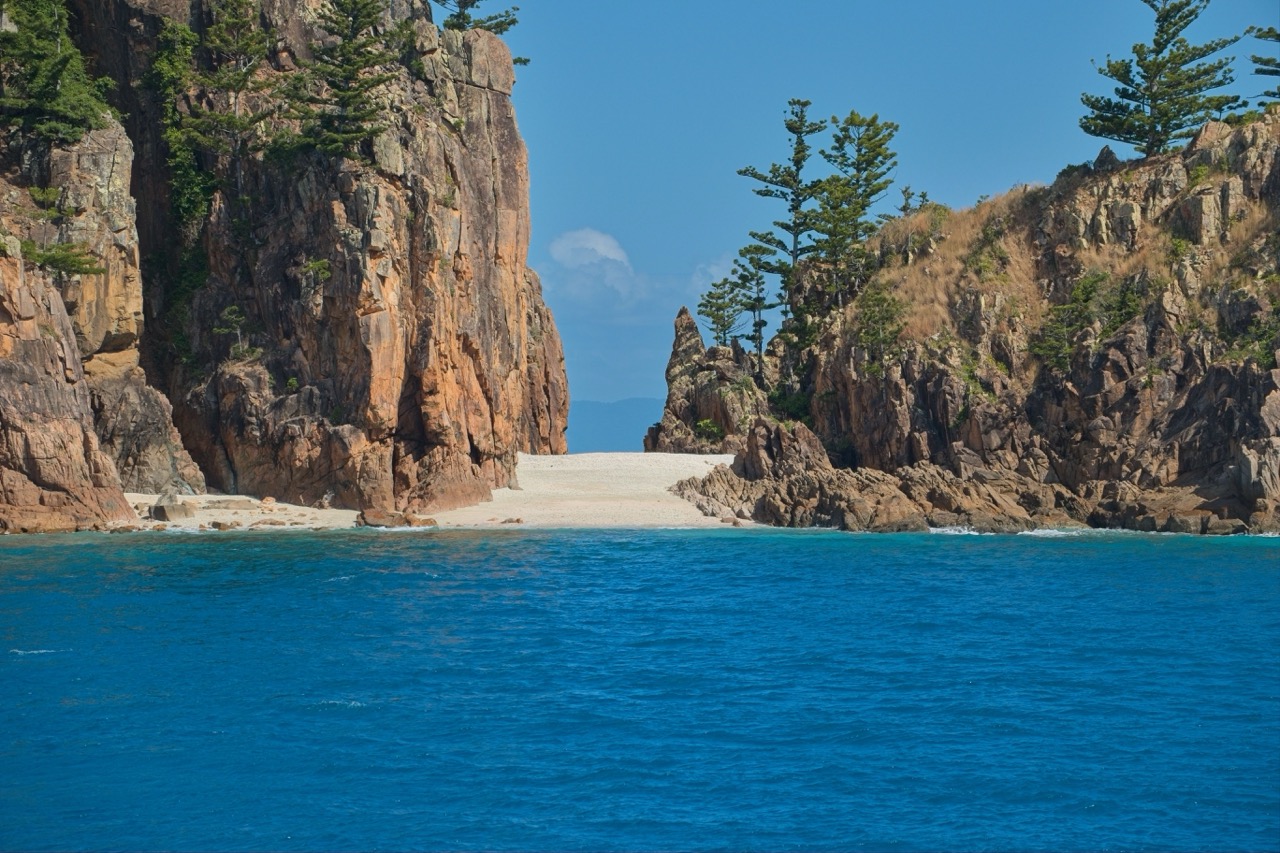
There is something rather special about sailing through the Whitsundays.
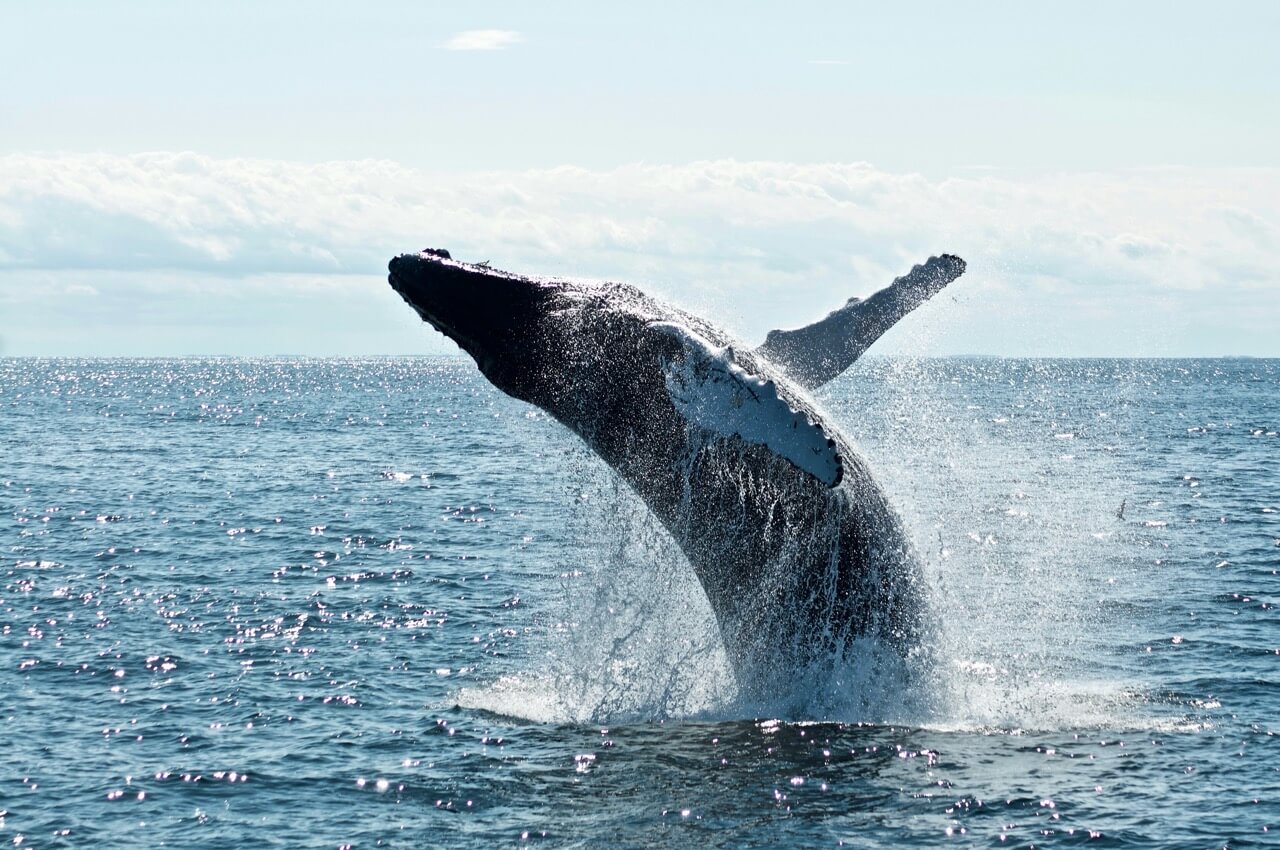
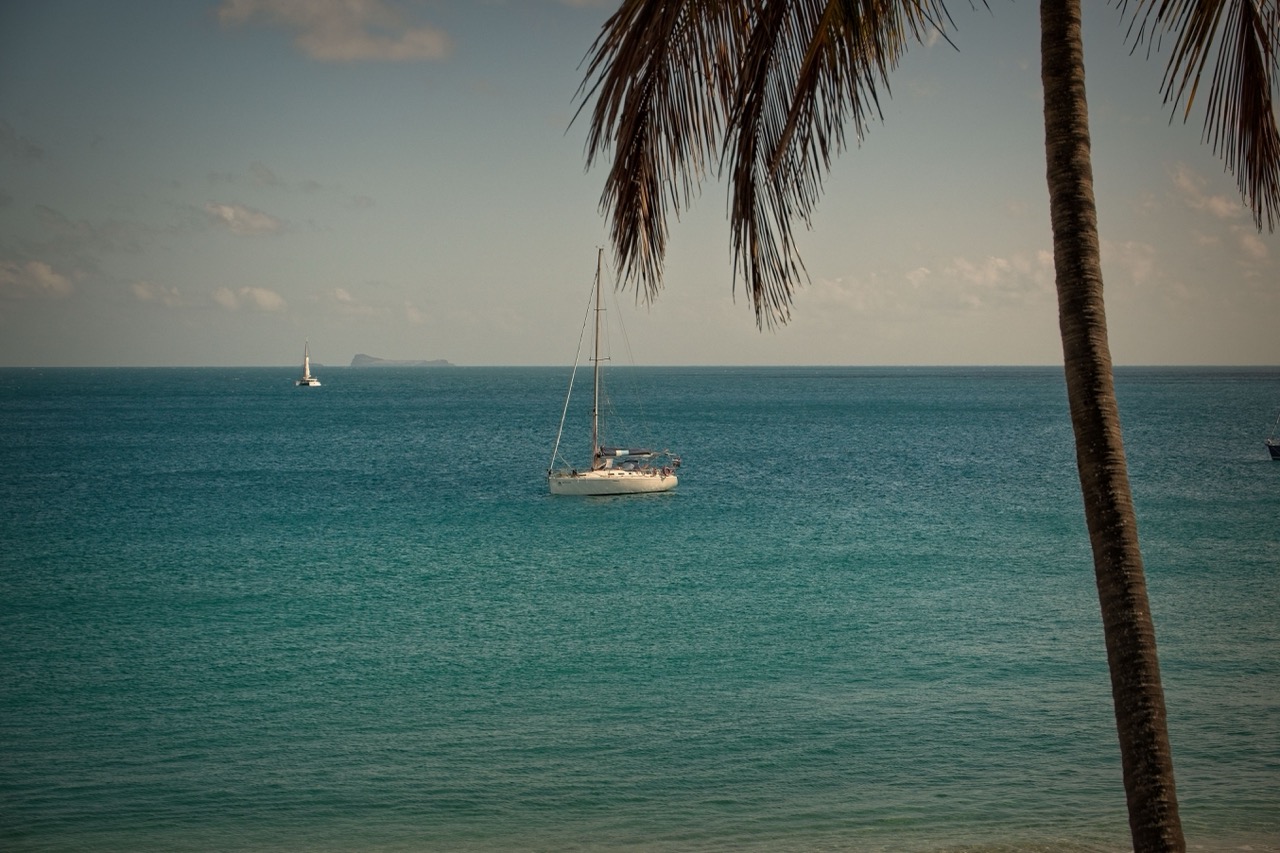
One moment you are surrounded by turquoise water, beautiful islands and the sound of the breeze through the rigging. Then, without warning, a huge splash appears on the horizon.
A humpback whale has arrived.
Every year, humpback whales make one of the great migrations of the natural world, travelling north from the Antarctic to the warmer waters of Queensland. The Whitsundays form part of this extraordinary journey, with the warm tropical waters providing important breeding and calving habitat.
And when you are on a yacht, you have a front-row seat.
Humpback whales spend the warmer months feeding in the rich waters around Antarctica, building up enormous energy reserves.
Then, as the Southern Hemisphere winter arrives, they begin their journey north.
It is a remarkable undertaking. These enormous animals travel thousands of kilometres to reach warmer waters where they can mate, give birth and raise their young.
The Australian Museum describes humpbacks as spending summer in Antarctic waters feeding on krill before travelling north during winter to breed.
The Whitsundays are right in the middle of this incredible annual journey.
For a newborn whale, warm water matters.
Humpback calves are born with very little body fat and need to grow quickly. The warmer tropical waters provide a much more suitable environment for mothers and their newborn calves than the cold Antarctic waters where the adults spend their summers feeding.
Mother and calf pairs will often favour relatively shallow, sheltered waters around islands and channels.
So while we may think of the Whitsundays as a holiday destination, for a humpback whale it can be the equivalent of a maternity ward.
And there is something rather humbling about that.
One of the most remarkable things about humpback whales is what happens after the calf is born.
A mother whale can produce up to around 600 litres of milk a day for her calf.
Think about that for a moment.
Six hundred litres.
And while she is feeding her calf, the mother herself may eat very little or nothing during the breeding and calving period. Instead, she relies heavily on the fat reserves she built up while feeding in the Antarctic.
In other words, she has travelled thousands of kilometres north, given birth, produced enormous quantities of incredibly rich milk and is raising a calf — all while living largely on energy stored in her body.
Eventually, mother and calf will begin the long journey south again, back towards the Antarctic feeding grounds.
It is an extraordinary feat of endurance.
There is a big difference between seeing a whale from land and seeing one while you are sailing.
There is no crowd.
No engine noise.
No commentary.
Just you, the yacht, the ocean — and perhaps a whale surfacing nearby.
Sometimes you see the unmistakable blow first: a plume of spray rising above the surface.
Then a dark back rolls through the water.
Perhaps a tail appears.
And if you’re really lucky, you might see something spectacular — a breach, a tail slap or a young calf learning how to be a whale.
It is one of those moments when everyone on board suddenly stops talking.
Even experienced sailors still get excited.
Perhaps the most memorable encounter is seeing a mother with her calf.
The calf will often stay close to its mother, surfacing beside her as they move through the water.
For the young whale, these early months are about learning. It has to grow, become stronger and eventually develop the skills it will need for the long migration south.
Watching a tiny calf beside a 15–17 metre adult is quite a sight. Humpback whales can weigh more than 30 tonnes, yet beside their mothers the calves can still look remarkably small.
And occasionally, of course, the calf seems to have discovered that jumping out of the water is rather fun.
Mum doesn’t always look impressed.
The Whitsundays are famous for Whitehaven Beach, Hill Inlet and those postcard-perfect turquoise waters.
But the islands have another side that you only really appreciate from a yacht.
The waterways are alive.
Turtles surface beside the boat. Fish move beneath the hull. Sea eagles circle overhead. Dolphins sometimes appear in the wake.
And during whale season, one of the ocean’s greatest travellers may suddenly make an appearance.
That is one of the reasons we love sailing here.
You never quite know what the day is going to bring.
As exciting as a whale encounter can be, it is important to remember that these are wild animals.
The best encounters are the ones where the whale remains in control.
If a whale appears in the distance, we watch.
If it surfaces nearby, we enjoy the moment.
If it disappears beneath the water, we wait.
There is no need to chase it.
Sometimes the most memorable part is simply sitting quietly and wondering where it will surface next.
Responsible boating is particularly important around mothers and young calves, which can be more vulnerable during migration. Recent research has highlighted the risks whales face from vessel strikes, entanglement and other human activities along their migration routes.
The Whitsundays are spectacular at any time of year, but whale season adds another dimension to the experience.
The islands are still beautiful. The water is still turquoise. The sailing is still fantastic.
But somewhere beyond the bow, there may be a mother and her newborn calf beginning their journey through these island waters.
And when you think about what that mother has already done — travelled thousands of kilometres from Antarctica, given birth and produced hundreds of litres of milk every day while relying on her own fat reserves — seeing her surface beside your yacht becomes something much more meaningful.
You are not simply watching a whale.
You are witnessing a tiny part of one of nature’s greatest migrations.
And perhaps that is the real magic of sailing the Whitsundays.
You never quite know what is going to appear over the horizon.
Come sailing with Mainstay Sailing and keep an eye on the horizon.
You never know.
There might be a whale out there.
Keep exploring the Whitsundays, sailing, seamanship and life on the water.

Take your sailing further with Mainstay Sailing.


Check out our Youtube videos!

Coral Sea Marina
Shingley Drive
Airlie Beach
QLD 4802
AUSTRALIA
Postal address
PO Box 890
Cannonvale
QLD 4802
AUSTRALIA
Lat: 20° 16′ South
Long: 148° 43′ East
Phone: +61402429152

