



When most people think about boating or sailing, they picture sunshine, turquoise water, and the freedom of being out at sea. While those moments are a huge part of life on the water, every experienced sailor knows that preparation and safety are what truly make offshore adventures enjoyable.
A Safety and Sea Survival Course is one of the most valuable training programs any sailor, cruiser, racer, or marine professional can complete. Whether you are planning offshore passages, participating in yacht races, working commercially, or simply wanting to become a more confident skipper or crew member, this course teaches the practical skills needed to handle emergencies at sea.
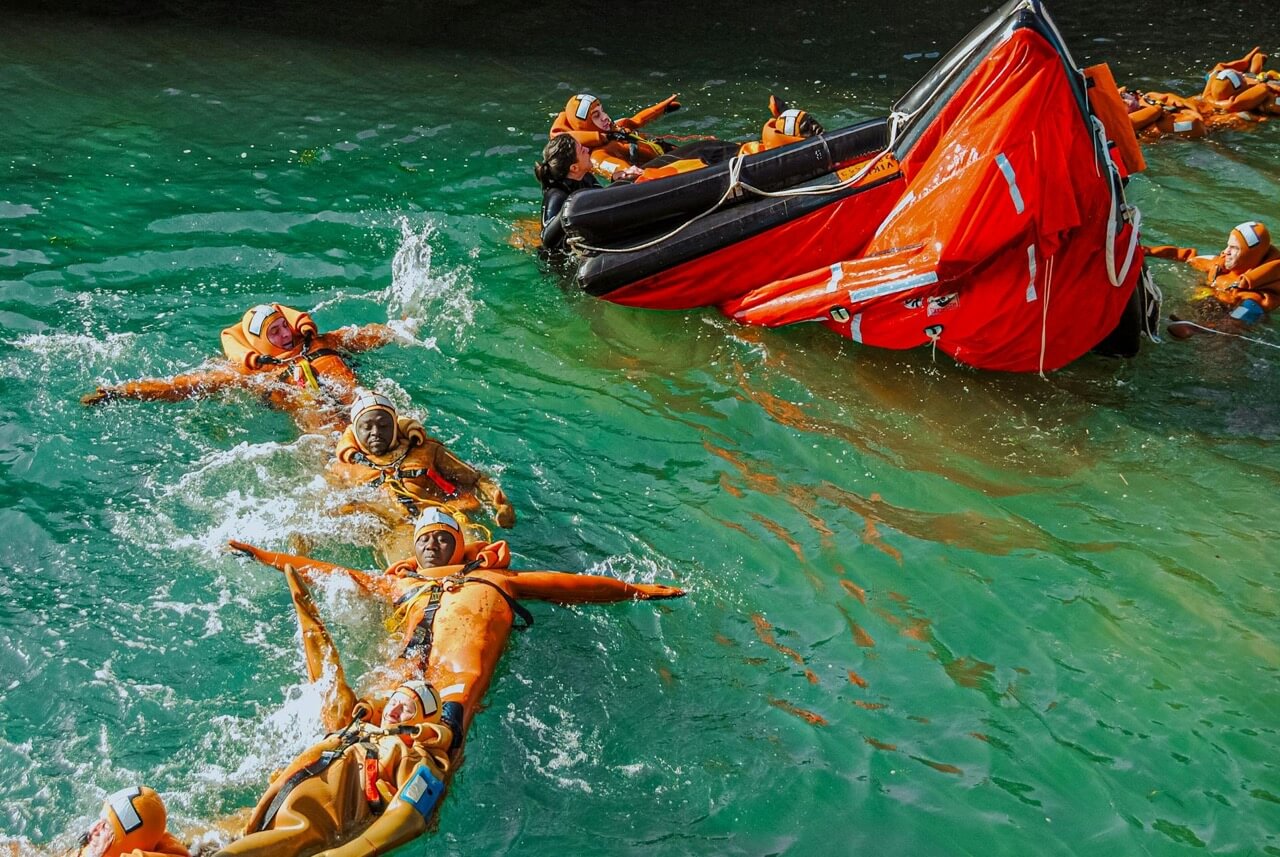
A Sea Survival & Safety course is designed to prepare sailors and boaters for emergency situations offshore. The course combines theory with practical, hands-on training and focuses on how to react calmly and effectively when things go wrong.
Participants learn essential survival techniques including:
Many internationally recognised courses are based on standards developed by organizations such as Royal Yachting Association and Australian Sailing.
At sea, emergencies can escalate quickly. Equipment failures, fire, collisions, rough weather, or medical emergencies can happen even on well-prepared vessels.
The difference between panic and effective action often comes down to training.
Sea Survival courses are designed to help participants:
Many sailors are surprised by how much they learn during the practical exercises. Getting into a liferaft, using safety equipment, or practicing emergency procedures in a controlled environment gives people a completely different level of understanding compared to reading about it in a manual.
Sea Survival training is highly recommended for:
In many offshore racing events, Sea Survival certification is also mandatory for crew members.
For those progressing through sailing qualifications such as Day Skipper, Coastal Skipper, or Yachtmaster, this course is an excellent addition to practical seamanship skills.
One of the biggest strengths of a Sea Survival & Safety course is the practical training component.
Participants often work with:
This hands-on approach helps build muscle memory and confidence that can make a huge difference during a real emergency.
Good seamanship is not only about sailing skills. It is also about looking after yourself, your crew, and your vessel.
Completing a Safety and Sea Survival course shows a commitment to responsible boating and professional standards on the water. Even experienced sailors regularly refresh their training because safety procedures and equipment continue to evolve.
The ocean is unpredictable, but preparation gives sailors the confidence to handle challenges when they arise.
The best time to learn survival skills is before you ever need them.
A Safety and Sea Survival course provides knowledge that could one day protect lives, prevent injuries, and help crews respond effectively during critical situations offshore.
Whether you are planning your first offshore passage or preparing for your next sailing adventure, investing in safety training is one of the smartest decisions you can make.
Keep exploring the Whitsundays, sailing, seamanship and life on the water.



Take your sailing further with Mainstay Sailing.


Check out our Youtube videos!

Coral Sea Marina
Shingley Drive
Airlie Beach
QLD 4802
AUSTRALIA
Postal address
PO Box 890
Cannonvale
QLD 4802
AUSTRALIA
Lat: 20° 16′ South
Long: 148° 43′ East
Phone: +61402429152

