
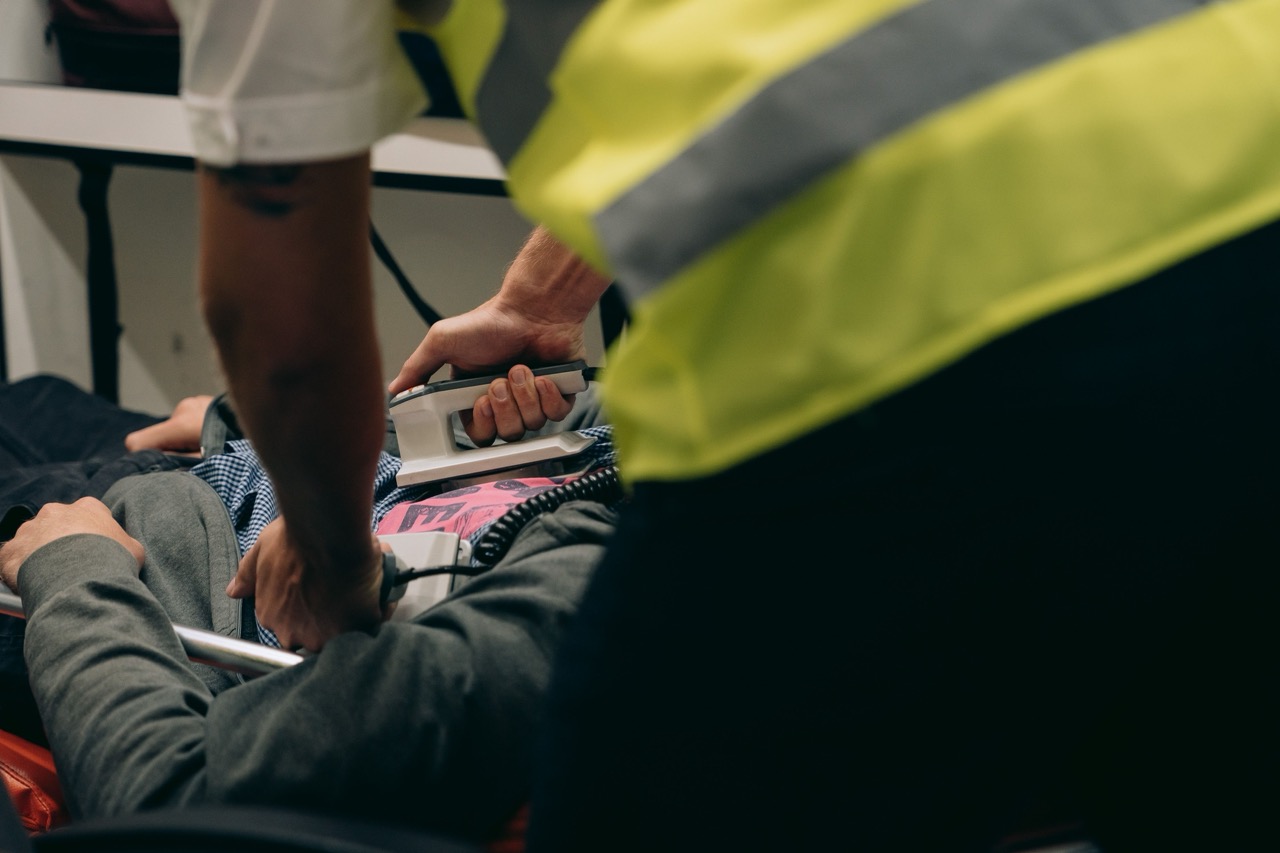



When you are sailing offshore, the nearest ambulance may not be minutes away—it may be hours away. A minor injury can quickly become a serious situation, and a medical emergency can place enormous responsibility on the skipper and crew.
While knowing CPR is an essential skill, maritime first aid requires much more. A skipper needs the confidence and knowledge to assess injuries, make decisions under pressure, and provide care until professional medical assistance becomes available.
On land, emergency services are usually close by. At sea, the situation is very different.
A skipper must consider:
The environment itself creates additional challenges. Movement of the vessel, weather conditions, limited space, isolation, and a constantly changing situation all affect how first aid is provided.
A skipper is not just treating an injury—they are managing the entire emergency.
CPR training is a critical part of any skipper’s safety knowledge. A fast and effective response can save a life in the event of cardiac arrest.
However, medical emergencies at sea are not limited to cardiac events.
A skipper may also need to respond to:
The ability to recognise symptoms early and provide appropriate care can make a significant difference to the outcome.
Good maritime first aid starts before the boat leaves the dock.
A responsible skipper should know:
A first aid kit is only useful if you understand what equipment is available and how to use it. A well-stocked marine kit should be suited to the type of sailing, number of crew, and distance from medical support.
Before departure, skippers should be aware of important information such as:
A simple conversation before departure can save valuable time during an emergency.
Knowing how to contact assistance is a vital part of offshore safety.
Skippers should understand:
Good communication can be just as important as first aid itself.
One of the biggest challenges offshore is that you often have to make decisions with limited information.
For example:
A crew member suffers a deep cut while handling equipment. The immediate response may involve controlling bleeding, cleaning and protecting the wound, monitoring for shock, and deciding whether the injury requires evacuation.
Or a crew member becomes confused and extremely fatigued after a hot day on deck. Recognising the early signs of heat exhaustion before it develops into heat stroke could prevent a life-threatening situation.
At sea, prevention, observation and quick action are key.
In an emergency, people naturally look to the skipper for direction.
A good skipper needs to:
Confidence comes from preparation and training. The more familiar you are with emergency procedures, the easier it is to respond effectively when pressure is high.
Every skipper hopes they will never face a serious medical emergency at sea. However, hoping is not a safety plan.
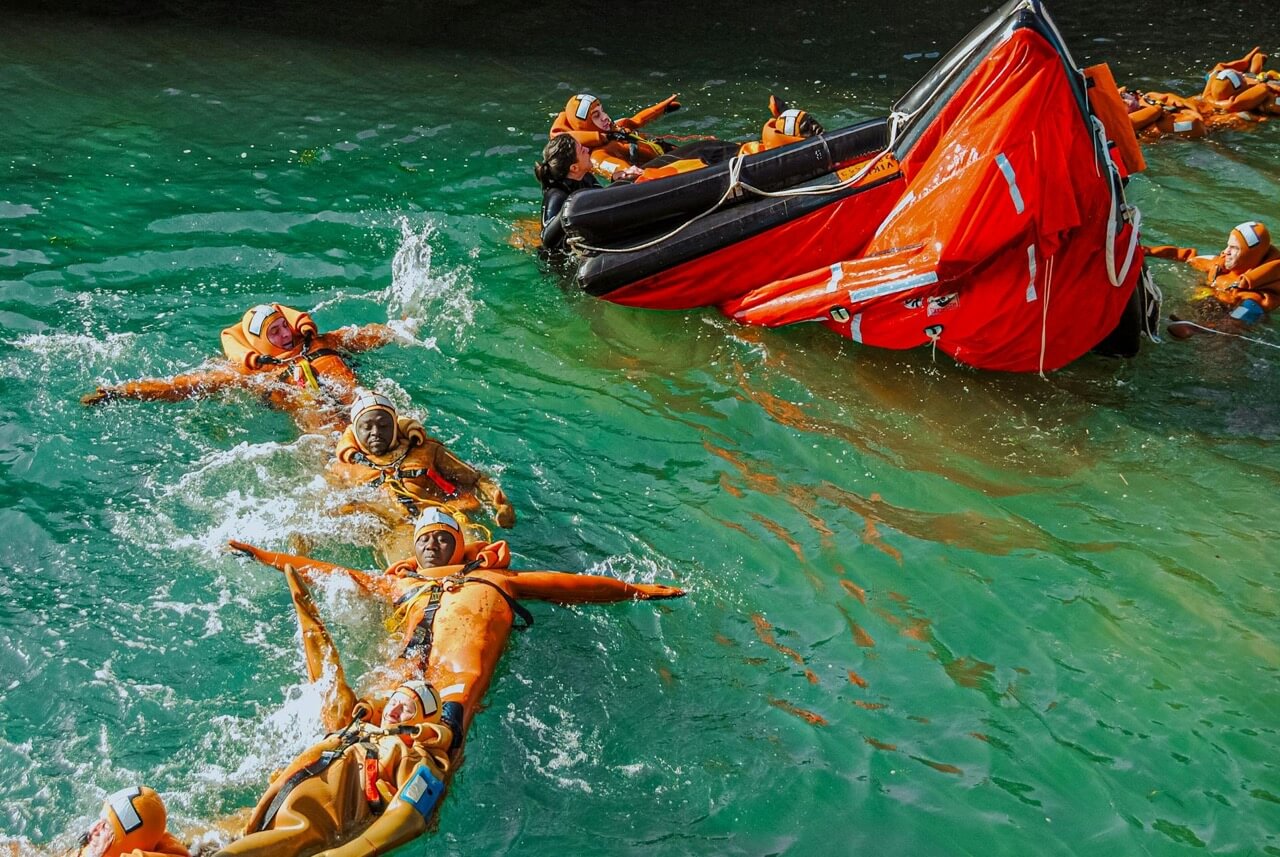
First aid and CPR training provide the foundation, but maritime environments demand additional awareness. Understanding how injuries happen onboard, how to manage emergencies remotely, and how to care for someone until help arrives are essential skills for anyone responsible for a vessel.
Whether you are sailing around the Whitsundays, cruising offshore, or preparing for longer passages, maritime first aid knowledge is an important part of becoming a capable and responsible skipper.
A great skipper is not only someone who can navigate, handle a boat and understand the weather. A great skipper also looks after the people onboard.
The ocean is unpredictable, but preparation does not have to be.
Investing in maritime first aid skills gives skippers and crew the confidence to enjoy their time on the water while being prepared for the unexpected.
Keep exploring the Whitsundays, sailing, seamanship and life on the water.

Take your sailing further with Mainstay Sailing.


Check out our Youtube videos!

Coral Sea Marina
Shingley Drive
Airlie Beach
QLD 4802
AUSTRALIA
Postal address
PO Box 890
Cannonvale
QLD 4802
AUSTRALIA
Lat: 20° 16′ South
Long: 148° 43′ East
Phone: +61402429152

